Too often today, the average young adult is warned, even discouraged from “settling down too early,” “living an ordinary life,” or “getting stuck with kids” in their prime. I was one of them. I vividly recall my great aunt’s shock when I told her that I had proposed to my beloved at only twenty-one years of age. “But you two are so young,” she said. “Why don’t you live a little first, or get your careers lined up while you both rent an apartment together?” My father gave me more of the same advice as well.
While there are plenty of people that have taken this approach to heart, rented the apartment, perhaps even gotten a dog or a cat for company, I immediately found this line of reasoning to be off-putting. Luckily for us, I had plenty of friends and a good priest that helped further dissuade us from just ‘going with the flow.’ What did my aunt and so many others really mean by “living a little,” and why would I delay what God had revealed through prayer and discernment to be my vocation?
Beneath these warnings lies the grave assumption that marriage, home-ownership, raising children, and the domestic responsibilities therein somehow limit one’s life rather than enrich it. This is, of course, an error; both Cassidy and I have a treasure trove of anecdotes to prove it, but one does not need personal asides to indicate that mankind was made for so much more than “living a little.” We were made to live in the great and infinite abundance of God’s love!
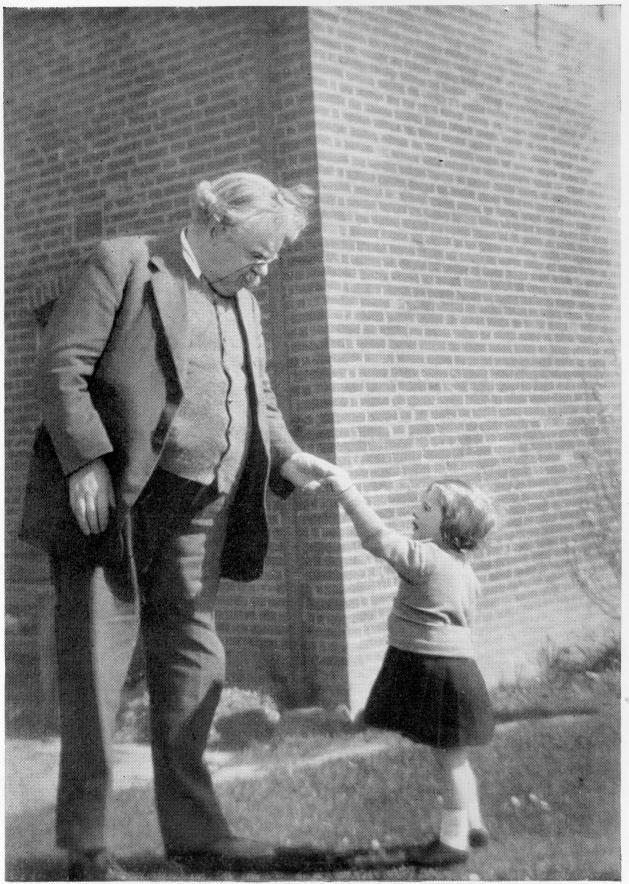
In correcting this false precept of modern living, there is no better reference point than the Prince of Paradox, G.K. Chesterton. As we recently shared in our “What is Via Domestica” reel, Chesterton is famously quoted to have said “[t]he most extraordinary thing in the world is an ordinary man and an ordinary woman and their ordinary children.” This paradoxical statement, that the ordinary family is the most extraordinary thing in this life, ought to serve as a corrective to the “live a little” hermeneutic of our time.
Yes, there are parties to go to, careers to be made, and drinks to be had, but these things need not come before our calling from Heaven. As St. Paul reminds us in First Corinthians, without love we are nothing, or at least a noisy gong or a clanging cymbal. In this same sense, when we knowingly fail to pursue God’s plan for our lives, when we embrace the infantilization and the arrested development so common among the millennials who find “adulting” to be exhausting, we are living for nothing of substance. One could make an eternity of Disney World, traveling alone, drinking, taking drugs, partying, or pursuing any other vice, and still find a fundamental emptiness within the self. Augustine highlights this reality so eloquently in the opening of the Confessions: “You have made us for Yourself, O Lord, and our hearts are restless until they rest in You.”
But what is so special about the family in particular? Why “settle down” and have a family, as opposed to putting it off as long as you can? Well, the ordinary family is so extraordinary because it is the very means by which God sanctifies his people through the quotidian measure of our lives. It is in the home where children learn the doctrines and traditions of the faith, where the sacraments are encouraged and practiced communally, and most significantly, it is where man and woman engage in the procreative and unitive act that brings life into the world. The participation of husband and wife in God’s actus purus is among the most enchanted moments in existence, and it is truly extraordinary, as Chesterton suggests.
It is precisely because the family calls us out of ourselves and into a life of love, sacrifice, and responsibility that it fulfills us in a way that lesser pursuits never can. Having a family, practically speaking, is fulfilling in a way that going to Hogwarts at Universal twice a year by yourself or with your “life partner” never can be.
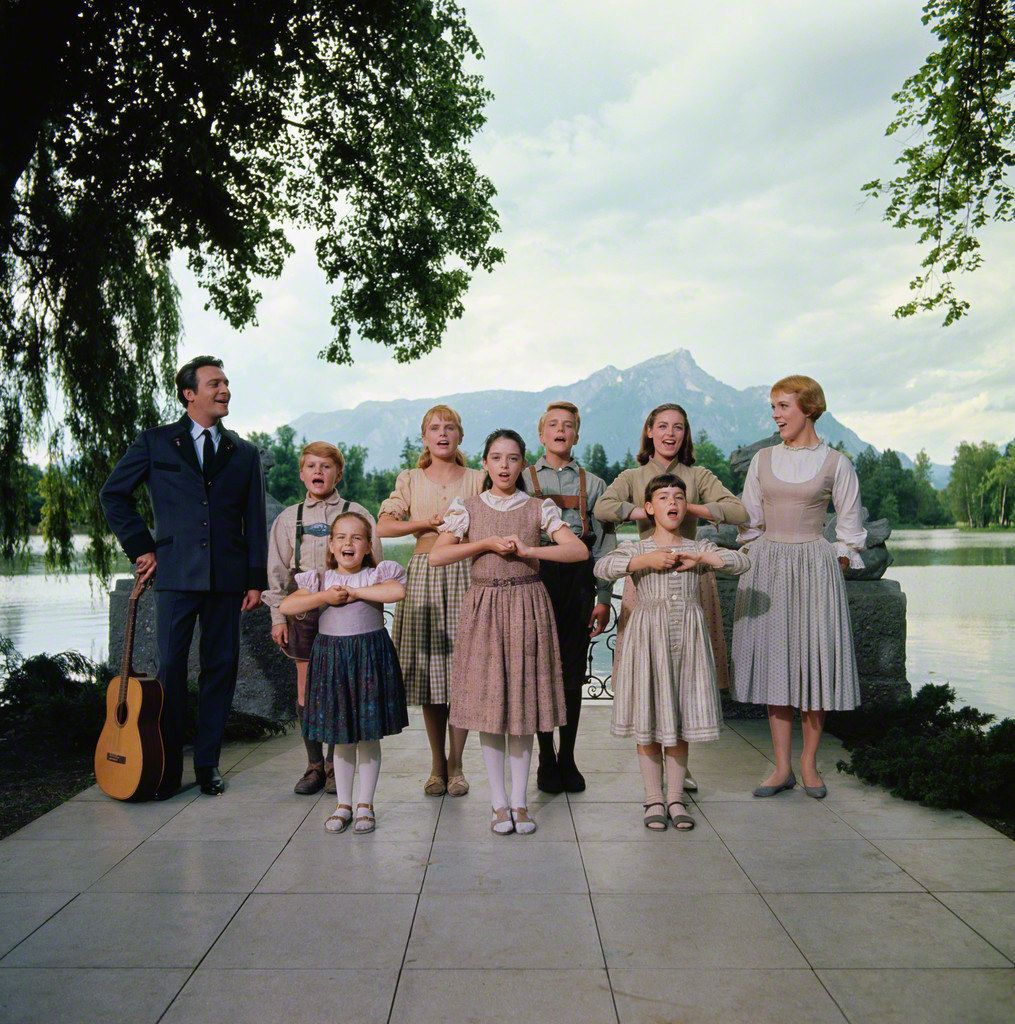
The family is made to appear ordinary precisely because it is so universal. Every one of us entered this world through the gift of a mother and a father. Though some have suffered the tragedy of broken homes or absent parents, the family nevertheless remains the most familiar and enduring human experience. It is the first community we encounter, the first school of love, and the first place where we learn what it means to belong to another. Because family life is woven into the fabric of human existence, we often overlook its profound, extraordinary significance.
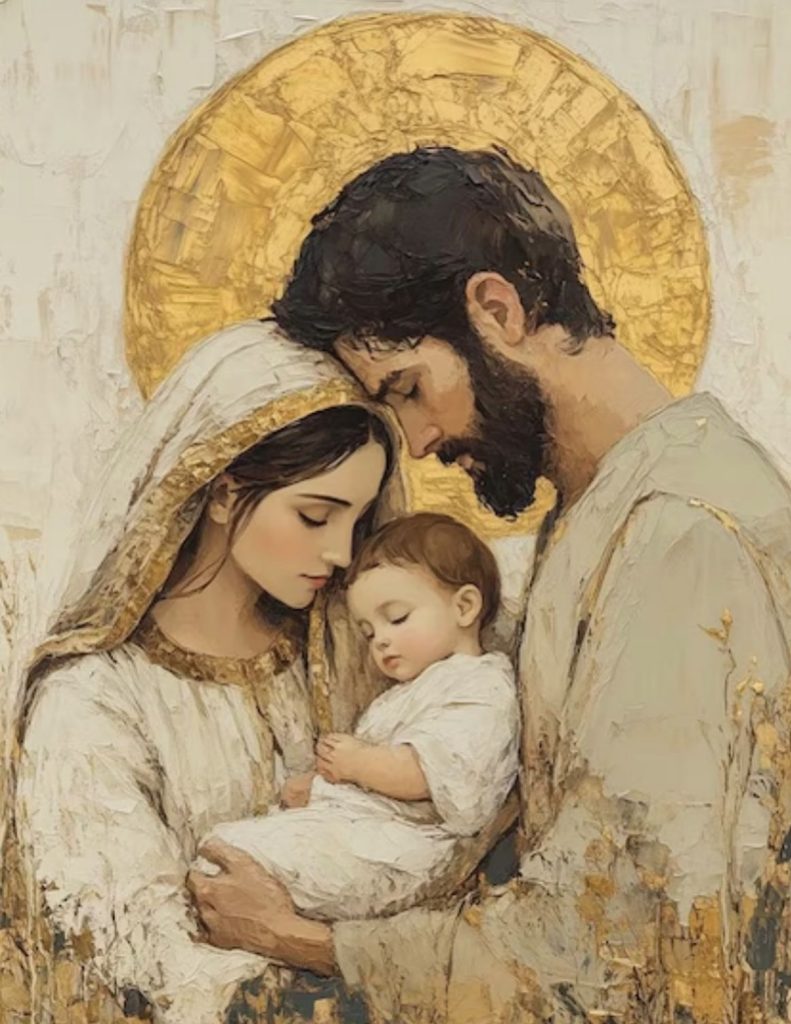
Yet it is within this seemingly ordinary institution that God has chosen to reveal some of His deepest truths. The family reflects, however imperfectly, the self-giving love found in the Holy Family and ultimately in the life of the Trinity itself. What is common, therefore, is not necessarily commonplace. The family appears ordinary only because its extraordinary nature is so familiar to us.
So, why not just “live a little” as the culture tells us? Because there is so much more to this life that we are made for. Getting married and having children does not end one’s social life or disqualify them from traveling and having fun, as some would dramatically impose. As a married man of twenty-four years, I have travelled to Ireland four times as an archaeologist, and will be returning for the fifth time this summer along with Cassidy and our son Benedict. What the modern mentality is opposed to is not necessarily the family itself, as most people still hope to “settle down” at some point. Rather, it is the responsibility inherent to growing up and embracing an ordinary life when God calls us to do so.
This is precisely where Chesterton’s paradox proves true. The ordinary life is not ordinary at all. In the daily sacrifices of marriage, the raising of children, the cultivation of a home, and the quiet pursuit of holiness, God is at work. The family remains the most extraordinary thing in the world because it is one of the primary means by which ordinary men and women become saints.
One response to “In Defense of an Ordinary Life”
Beautifully written, Don. I pray that others find the joy in marriage and God‘s love that you have found.